
The Ultimate Dog Owners Lifecycle Guide From Adoption to Aftercare

Bringing a new dog into a home marks the start of an extraordinary relationship that unfolds over many years. Whether adopting a young puppy full of energy or welcoming a calm adult rescue, those early weeks establish the foundation for lifelong health, good behavior, and deep emotional trust. Careful home preparation should always take place long before the dog arrives. Securing electrical cords, storing household chemicals safely away, removing toxic houseplants, and setting up a quiet resting zone with a clean bed help the new arrival adjust comfortably to unfamiliar territory. During the initial transition days, maintaining a peaceful home setting gives the dog time to decompress without feeling overwhelmed by sudden visitors or chaotic surroundings.
Establishing predictable household routines right from the start gives a newly adopted dog a strong sense of safety and emotional stability. Predictable meal times, regular bathroom opportunities, and consistent bedtime schedules help reduce anxiety and prevent behavioral confusion. Gentle positive reinforcement methods prove far more effective than punitive measures when teaching house manners and basic obedience skills. Partnering with certified dog trainers during the early adoption period offers invaluable structure for teaching crucial skills like house training, loose-leash walking, impulse control, and polite social manners. Early guidance stops unwanted habits before they take root and creates clear communication between owner and pet.
Alongside behavioral structure, organizing an initial health assessment is a critical early milestone. Scheduling a comprehensive wellness exam with a licensed veterinarian allows pet owners to establish a clean medical baseline, review past vaccination history, and design an appropriate parasite prevention plan tailored to the region. This first appointment also offers an ideal opportunity to discuss breed-specific nutritional needs, microchip registration, and safe exercise limits for growing bones and joints. Taking these deliberate steps early on creates a loving, structured, and predictable home environment where a dog can thrive for many happy years to come.
Preventive Health and Routine Wellness Management
Once a dog becomes accustomed to its daily routine, keeping up with preventive medical care and personal hygiene becomes an ongoing commitment. Routine wellness checks form the cornerstone of proactive healthcare, allowing underlying issues to be caught before they progress into serious medical problems. In the early stages of life, puppies require a series of core vaccinations to build immunity against common canine diseases, followed by booster shots during adulthood. Comprehensive heartworm preventatives, along with flea and tick treatments, must also be administered on a reliable schedule throughout the entire year.
Finding dependable local vet clinics allows owners to build lasting relationships with medical teams who understand the pet’s unique medical history and temperament. Annual wellness appointments typically include full physical examinations, routine blood tests, fecal screenings, and detailed dental evaluations. Oral hygiene is frequently overlooked, yet gum disease and plaque buildup directly impact internal organ health over time. Brushing a dog’s teeth at home, supplemented by periodic professional dental cleaning, prevents painful mouth infections and costly treatments later in life.
Physical care extends beyond clinical medicine to include proper outer maintenance. A dog’s coat type, skin sensitivity, and activity level dictate how frequently it requires bathing, coat brushing, and nail trims. Working with a skilled dog groomer ensures that coat matting is safely resolved, ears are inspected for yeast or bacterial overgrowth, and nails are trimmed to a healthy length. Overgrown nails alter how a dog places weight on its paws, causing posture shifts that strain joints over time, making consistent grooming a vital component of long-term physical health and daily comfort.
Navigating Canine Adolescence and Daily Maintenance

The transition from puppyhood into adolescent development brings a distinct shift in energy levels, physical strength, and behavioral testing. Between six months and two years of age, dogs undergo significant hormonal shifts and exhibit heightened physical drive. During this active phase, providing mental stimulation is just as critical as offering physical exercise. Puzzle toys, scent games, agility games, and interactive play help channel excess energy into positive, constructive behaviors. Without appropriate mental and physical outlets, bored adolescent dogs often resort to destructive chewing, nuisance barking, or escape attempts around the yard.
Maintaining consistency in rules and expectations helps owners manage adolescent testing without frustration or confusion. Continuing regular training practice reinforces basic manners while introducing new mental challenges that keep the dog engaged. Controlled interactions with friendly, well-mannered dogs teach adolescents appropriate play etiquette and social body language. However, chaotic environments like crowded public dog parks should be monitored carefully or avoided if they create overstimulation or fearful experiences that trigger long-term reactivity.
Scheduling periodic checkups at established vet clinics keeps weight trends, growth rates, and structural health on track during these transformative months. Dietary requirements evolve as a growing puppy matures into an adult, requiring a gradual transition from calorie-rich puppy food to a balanced adult maintenance formula. Tracking body condition scores prevents early-stage weight gain, which places unnecessary stress on developing skeletal structures. Monitoring subtle changes in appetite, digestion, or daily energy allows owners to address emerging issues early, ensuring the adolescent dog thrives physically and emotionally.
Understanding Immediate Care Needs and Medical Triage
Even with the best preventive care, unexpected illnesses and accidental injuries can happen at any age. Being prepared to identify signs of physical distress enables dog owners to act swiftly when time is critical. Minor issues like mild stomach upset, superficial scratches, or minor skin irritations can often be managed with rest and monitored at home before consulting a primary care provider. However, acute physical trauma or sudden systemic illness requires prompt medical evaluation from trained urgent care specialists.
Learning to recognize clear warning signs of a serious medical emergency is an essential skill for every responsible owner. Symptoms such as sudden collapse, laboured breathing, a distended or rigid abdomen, uncharacteristic pale gums, uncontrollable vomiting, or sudden paralysis require immediate transport to an emergency vet facility equipped for critical care. Ingesting toxic substances, including chocolate, xylitol sweetener, rodent poisons, human medications, or poisonous plants, also demands rapid medical intervention. Keeping a well-stocked dog first-aid kit in the home and saving urgent contact numbers in a phone speeds up reaction times during unexpected crises.
When arriving at regional animal hospitals, patients undergo rapid triage to evaluate the severity of their condition. Veterinary staff measure vital signs, level of consciousness, and acute pain levels to prioritize immediate medical intervention for life-threatening cases. Understanding that critical care facilities prioritize care based on urgency rather than arrival time helps owners stay patient and cooperative during chaotic hospital visits. Financial planning or holding pet insurance coverage can also alleviate financial stress when critical diagnostics, emergency imaging, blood transfusions, or emergency surgical procedures become necessary to preserve life.
Handling After-Hours Emergencies and Critical Care
Medical emergencies rarely happen at convenient hours, often occurring late at night, during major holidays, or over weekends when routine facilities are closed. Knowing where to go before a critical situation arises eliminates panic and prevents dangerous delays in treatment. Pet owners should identify the route to the nearest continuous care facility, test the travel time, and keep pertinent medical records, vaccination dates, and medication lists stored in a readily available folder.
When arriving at an after-hours trauma center, an emergency veterinarian conducts an immediate exam to evaluate oxygenation, cardiovascular stability, and pain levels before constructing a diagnostic plan. Advanced emergency facilities are equipped with specialized equipment, such as digital radiography, abdominal ultrasound, full in-house blood laboratories, continuous oxygen delivery systems, and surgical suites. These advanced capabilities allow medical staff to rapidly identify internal hemorrhaging, bloat, foreign body obstructions, acute organ failure, or severe systemic infections.
Once a patient is stabilized, intensive care may involve intravenous fluid therapy, continuous pain management, blood pressure monitoring, or emergency surgical intervention. Continuous medical communication between emergency practitioners and the pet’s primary doctor ensures a seamless transition of care once the animal is stable enough to be transferred. While urgent hospital visits are emotionally exhausting, maintaining calm, clear communication with the care team ensures that decisions are made in the best interest of the dog’s immediate health and full recovery.
Supporting the Aging Dog Through Senior Wellness
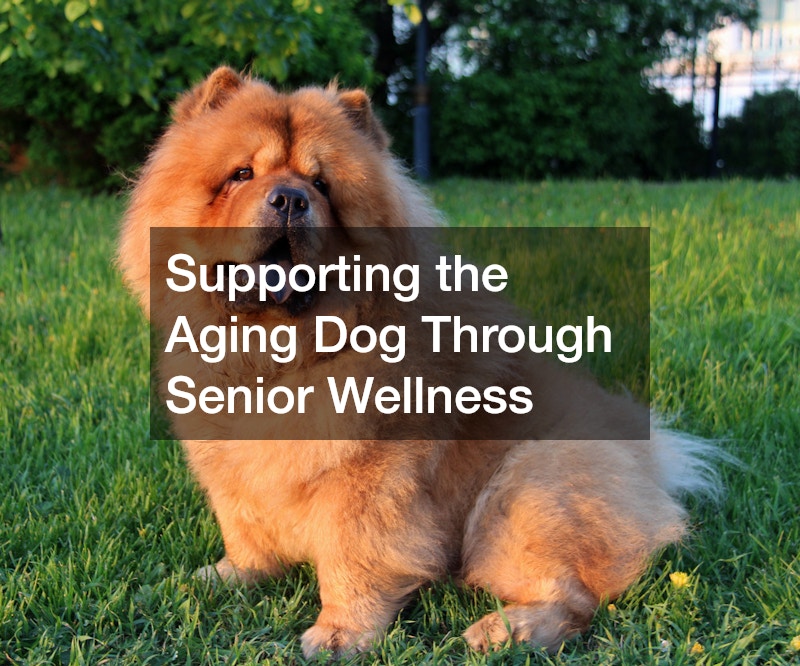
As dogs enter their senior years, typically around seven or eight years of age depending on breed size, their physiological and metabolic needs shift dramatically. Large and giant breeds age faster than smaller breeds, but all senior dogs benefit from adjustments to their daily environment, nutritional regimen, and general health monitoring. Recognizing early signs of physical decline allows owners to modify home environments and care strategies before minor discomfort impairs the dog’s everyday quality of life.
Physical signs of aging often appear as stiffness after sleeping, hesitation before climbing stairs, decreased stamina on daily walks, and subtle changes in sleep patterns or social interaction. Joint health becomes a primary focus during this stage. Adding plush orthopedic beds, laying down non-skid runners across hardwood floors, and installing ramps for car or furniture access protect aging joints from sudden impacts and slips. Gentle, low-impact exercise like controlled flat walks maintains muscle mass without straining fragile joints or exacerbating existing arthritis.
Metabolic changes in older dogs also necessitate updates to their daily diet. Senior dog foods generally contain lower calorie densities to prevent weight gain as activity declines, along with added joint supplements such as glucosamine, chondroitin, and omega-three fatty acids to support cartilage health. Routine blood screenings every six months help detect age-related conditions like kidney disease, liver impairment, thyroid imbalances, or diabetes before symptoms become severe. Proactive senior care focuses on preserving comfortable mobility, alleviating chronic aches, and ensuring that aging companions continue to enjoy high daily comfort and mental sharpess. Investing extra attention during these senior years repays the dog for a lifetime of devotion.
Quality of Life Assessment and End-of-Life Decisions
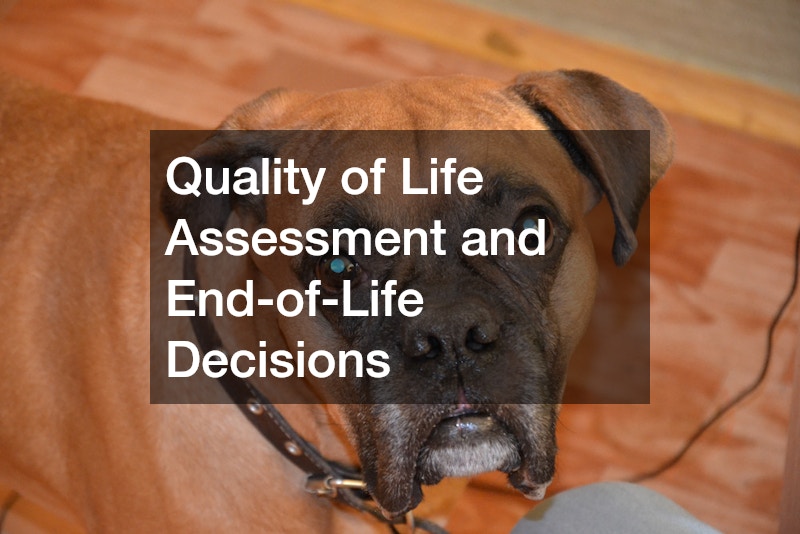
In the final phase of a dog’s life journey, healthcare priorities shift naturally from curative medicine to palliative comfort, pain control, and dignity management. Managing chronic conditions like advanced arthritis, organ dysfunction, or cognitive decline requires thoughtful evaluation of the dog’s daily comfort and emotional well-being. Using structured quality-of-life assessment tools helps owners objectively evaluate key indicators like appetite, hydration, mobility, hygiene, emotional happiness, and the ratio of good days to bad days over time.
When medical treatments can no longer relieve pain or maintain basic comfort, choosing to prevent further suffering becomes the ultimate act of love and responsibility. Deciding where and how to say goodbye is an intimate decision for every family. Arranging for at home pet euthanasia allows a beloved dog to pass away peacefully in familiar surroundings, resting comfortably on its favorite bed while surrounded by the people it loves most, free from the stress of clinical sights, sounds, or travel discomfort.
During an in-home end-of-life appointment, a compassionate medical professional explains each stage of the process with deep empathy and gentle patience. A relaxing sedative is administered first, allowing the dog to drift into a deep, pain-free sleep before the final medication is given. This quiet and respectful environment provides family members with privacy to express grief, say heartfelt goodbyes without feeling rushed, and experience meaningful closure in the quiet warmth of their own home.
Memorialization, Aftercare, and Processing Loss
Following the loss of a cherished canine family member, navigating the emotional aftermath requires time, patience, and self-compassion. Grief affects individuals and families in unique ways, and adjusting to the sudden absence of a daily companion can be challenging. Allowing space to mourn and honor the extraordinary bond shared with a dog helps ease the painful transition into lasting remembrance.
Making thoughtful aftercare decisions forms an essential step in honoring a pet’s life. Many owners choose professional cremation services, which offer both communal and individual options based on personal preference. Choosing individual aftercare ensures that the dog’s ashes are carefully returned in a decorative urn or handcrafted box, allowing owners to keep a physical memorial at home, plant a memory tree, or scatter the ashes in a place that held special meaning for the dog and family.
Creating tangible memorials helps preserve a dog’s legacy for future years. Displaying framed photographs, making custom clay paw print impressions, writing personal journals, or placing a memorial stone in a favorite backyard garden spot offer comforting reminders of a lifetime of loyal companionship. Joining pet loss support groups or speaking with specialized counselors can also provide meaningful strength during deep grief. Though a dog’s physical journey eventually concludes, the profound impact of its unwavering loyalty, love, and presence remains forever embedded in the lives of those who cared for it.