
How to Tell if Your Dog Is Pregnant: Early Signs to Watch
Key Takeaways
- Early pregnancy signs in dogs can include appetite changes, lower energy, enlarged nipples, and changes in behavior.
- Abdominal growth and gradual weight gain usually become easier to notice as pregnancy progresses.
- Nesting behavior may appear closer to delivery as a dog searches for a quiet and comfortable place.
- False pregnancy can cause physical and behavioral changes that closely resemble a real pregnancy.
- Do not press your dog’s abdomen or give extra supplements and medications without veterinary guidance.
- A veterinarian can confirm pregnancy through appropriate testing and help create a safe prenatal care plan.
- Seek veterinary care promptly if your dog develops severe weakness, abnormal discharge, heavy bleeding, breathing problems, or other concerning symptoms.
If your unspayed dog recently mated or had access to an intact male dog, you may start wondering whether she is pregnant. Unlike humans, dogs cannot tell us how they feel, and the earliest signs of pregnancy can be subtle.
You might notice changes in her appetite, energy, behavior, or body. However, many of these changes can have other causes. Some dogs also experience false pregnancy, which can produce signs that look similar to a real pregnancy.
For that reason, watching for symptoms at home cannot confirm pregnancy. A veterinarian can examine your dog and recommend appropriate testing to determine whether she is expecting puppies.
Pregnancy in dogs lasts about two months, although the exact timing can vary depending on how the pregnancy is dated. That relatively short period means changes can happen quickly.
If pregnancy is possible, early veterinary guidance can help you plan for nutrition, exercise, medical care, and delivery. It can also help identify health concerns that may require extra attention.
Here are common signs that may suggest your dog is pregnant and what you should do if you notice them.
1. Her Appetite May Change
Changes in appetite can occur during pregnancy, but they do not look the same in every dog.
Some dogs may temporarily eat less during the early stages. Others may continue eating normally and show increased hunger later as the puppies develop.
A brief decrease in appetite may not necessarily indicate a serious problem if your dog otherwise seems healthy. However, refusing food for an extended period, repeated vomiting, weakness, or other concerning symptoms should be discussed with a veterinarian.
Avoid dramatically increasing food portions simply because you think your dog might be pregnant. Feeding too much too early can cause unnecessary weight gain.
Nutritional needs change as pregnancy progresses, so ask your veterinarian about an appropriate feeding plan.
Do not add calcium, vitamins, or other supplements without professional guidance. More is not always better, and inappropriate supplementation can create health problems.
Keep track of what your dog eats each day. Changes in appetite are more useful when considered along with other physical and behavioral signs.
2. She May Seem More Tired Than Usual
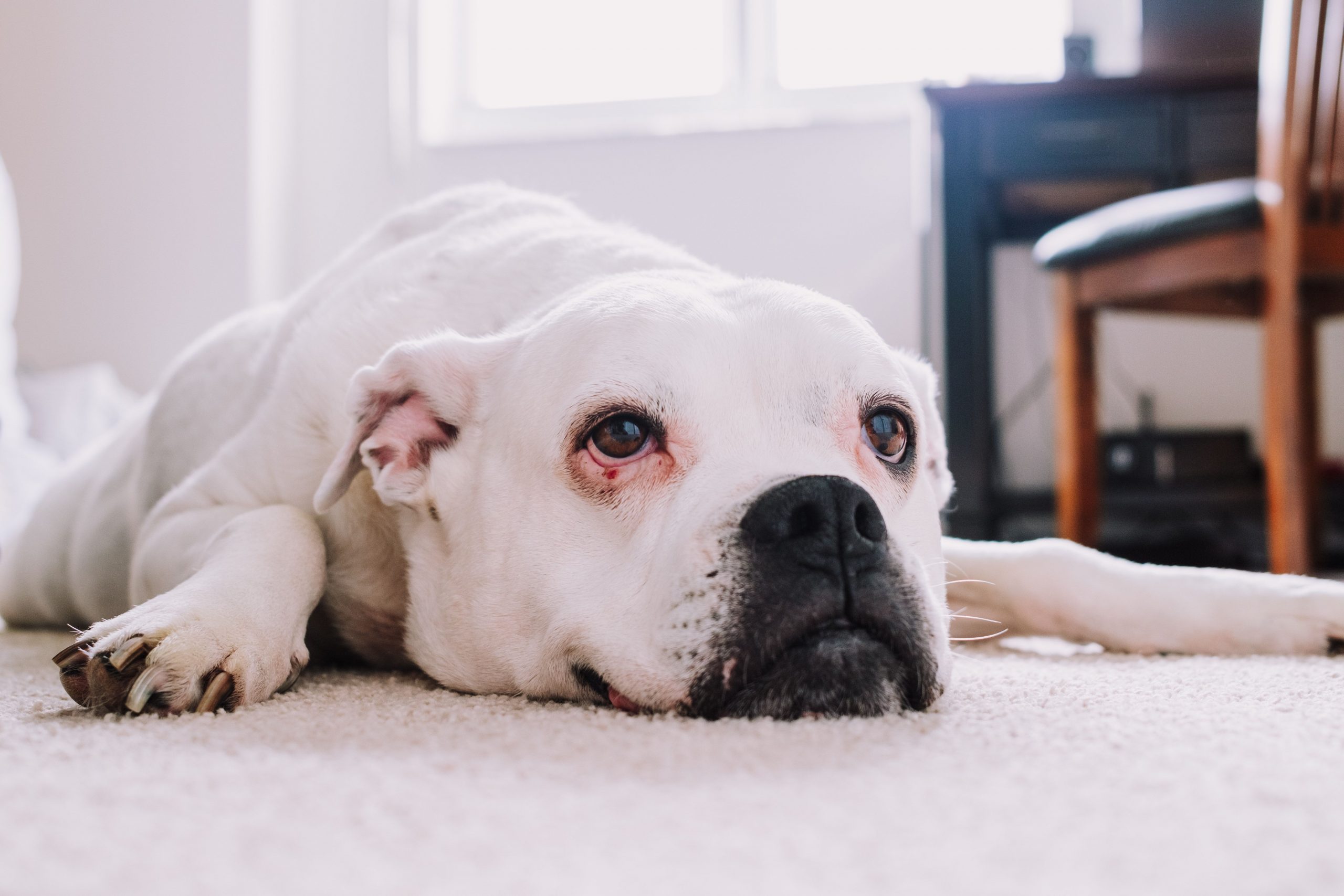
A pregnant dog may have lower energy, particularly during the early part of pregnancy.
A dog that normally wants to play for long periods may rest more often or lose interest sooner. She might sleep longer or seem less enthusiastic about certain activities.
However, tiredness alone is not a reliable pregnancy sign. Low energy can also occur because of illness, pain, stress, heat, or many other conditions.
Pay attention to how dramatic the change is.
A slightly calmer dog who continues eating, drinking, walking, and interacting normally may simply be experiencing a temporary change. A dog that becomes extremely weak, has difficulty standing, refuses food or water, or shows other signs of illness needs veterinary attention.
If pregnancy is confirmed, your veterinarian can explain what type and amount of exercise is appropriate.
Regular gentle activity may still be useful for many healthy pregnant dogs, but strenuous exercise and rough activity may need to be adjusted as pregnancy advances.
3. Her Nipples May Become More Noticeable
Changes around the nipples can be one of the physical signs owners notice during pregnancy.
The nipples may become larger or more prominent. The surrounding area can also change in appearance as the body prepares for nursing.
These changes are usually easier to notice if you are familiar with what your dog’s abdomen looked like before the possible pregnancy.
However, nipple changes do not prove that a dog is pregnant. Hormonal changes and false pregnancy can sometimes produce similar signs.
Avoid repeatedly squeezing or pressing the nipples to check for milk. This is unnecessary and may irritate the area.
Instead, simply observe changes while petting or grooming your dog.
If you notice redness, unusual swelling, pain, heat, or abnormal discharge around the mammary glands, contact your veterinarian. Those signs could indicate a medical problem rather than a normal pregnancy change.
4. Her Behavior May Change
Hormonal and physical changes may affect how a pregnant dog behaves.
Some dogs become more affectionate and seek extra attention from their owners. Others prefer more personal space and may become quieter or less interested in interaction.
You might also notice changes in sleeping habits or how your dog responds to other pets.
These behaviors vary widely, so there is no single personality change that confirms pregnancy.
For people experiencing first-time pet ownership, subtle behavior changes can be difficult to interpret because they may not yet know what is normal for their dog. Keeping notes about appetite, activity, sleep, and behavior can make patterns easier to recognize.
Try to keep your dog’s daily environment calm and predictable.
Avoid forcing physical attention if she seems uncomfortable or wants to rest. At the same time, continue monitoring her closely enough to notice changes that could indicate illness or pain.
Significant or sudden behavior changes should be discussed with a veterinarian.
5. Her Abdomen May Begin to Grow
As pregnancy progresses, your dog’s abdomen may become larger.
This change usually becomes more noticeable later rather than immediately after mating. The exact appearance can depend on the dog’s breed, body shape, litter size, and overall condition.
Do not press or squeeze your dog’s abdomen to try to feel puppies. Improper handling can cause discomfort and is not a safe way for an owner to confirm pregnancy.
Weight gain can also occur for reasons unrelated to pregnancy, including overeating, reduced activity, fluid buildup, or certain health conditions.
That is why abdominal enlargement should be evaluated along with other signs and veterinary testing.
If your dog’s abdomen suddenly becomes swollen or painful, especially if she is restless, retching, having trouble breathing, or appears distressed, seek urgent veterinary care. Sudden abdominal swelling can indicate serious conditions unrelated to pregnancy.
Gradual body changes during a confirmed pregnancy should be monitored according to your veterinarian’s recommendations.
6. She May Start Nesting
As delivery approaches, some pregnant dogs begin showing nesting behavior.
Your dog may search for a quiet location, rearrange blankets, scratch at bedding, or spend more time in a particular corner of the house.
Nesting behavior generally becomes more relevant later in pregnancy rather than during the earliest weeks.
If pregnancy has been confirmed, you can prepare a comfortable area where your dog can eventually give birth and care for her puppies. The location should be quiet, clean, easy to monitor, and away from excessive household activity.
Think about household safety for dogs when choosing the area. Keep medications, cleaning products, electrical cords, small objects, and other possible hazards away from the mother and future puppies.
Give your dog time to become familiar with the area before delivery.
However, remember that nesting can also happen during a false pregnancy. It should not be used as proof that puppies are on the way.
7. Weight Gain May Become Noticeable
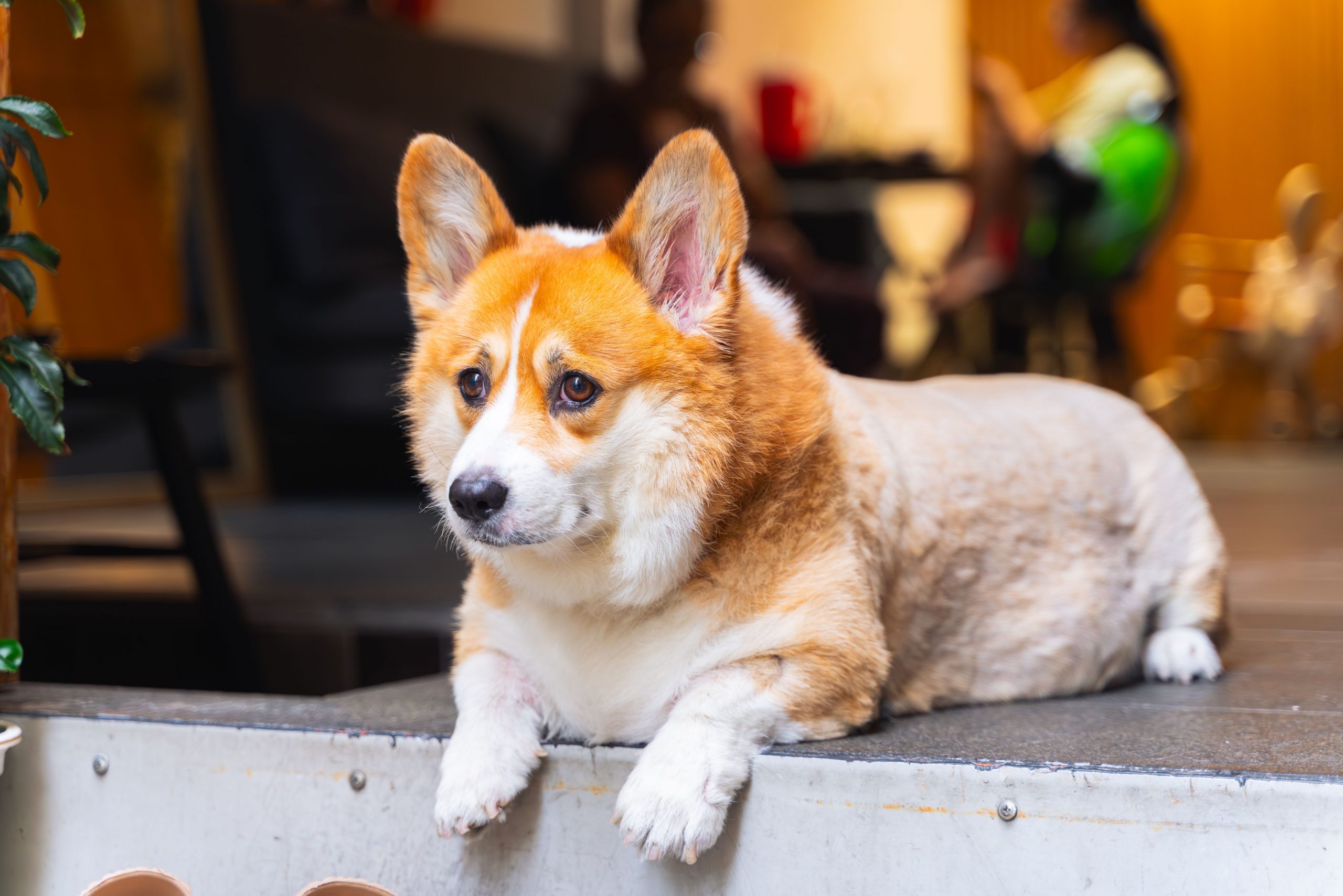
Pregnant dogs typically gain weight as puppies grow, but healthy weight changes should occur gradually.
How much weight a dog gains depends on several factors, including her size, body condition, and the number of puppies.
Do not use weight gain alone to diagnose pregnancy. A dog may gain weight because of increased food intake, reduced exercise, or health problems.
If pregnancy is confirmed, ask your veterinarian how to monitor your dog’s body condition.
Food requirements may increase later in pregnancy, when fetal growth becomes more demanding. Your veterinarian may recommend changing the type, amount, or frequency of food.
Avoid intentionally overfeeding your dog because you assume she needs to “eat for the puppies.” Excessive weight can create additional health concerns.
Monitoring weight over time is more useful than focusing on a single measurement. If possible, record your dog’s weight at veterinary visits so you can follow changes throughout pregnancy.
8. False Pregnancy Can Look Like Real Pregnancy
One reason it can be difficult to determine whether a dog is pregnant at home is false pregnancy, also called pseudopregnancy.
Hormonal changes after a heat cycle can cause an unspayed dog to develop signs that resemble pregnancy even when she is not carrying puppies.
A dog experiencing false pregnancy may develop enlarged mammary glands, produce milk, gain weight, build nests, or show changes in behavior. Some dogs may even treat toys or other objects as if they were puppies.
Because the symptoms can look convincing, physical and behavioral signs alone are not enough to confirm pregnancy.
If you think your dog may be pregnant, tell your veterinarian when her last heat cycle occurred and whether you know when mating may have happened.
The veterinarian can determine which testing method and timing are appropriate.
If your dog is experiencing false pregnancy, your veterinarian can also tell you whether monitoring is enough or whether treatment is needed based on the severity of her symptoms.
9. A Veterinarian Can Confirm the Pregnancy
Veterinary testing is the reliable way to determine whether your dog is actually pregnant.
The method used may depend on how much time has passed since mating.
A veterinarian may use ultrasound during pregnancy to look for developing puppies and assess the pregnancy. Blood testing for a pregnancy-related hormone may also be available at an appropriate stage.
Later in pregnancy, X-rays may be used to see fetal skeletons. They can be particularly helpful for estimating the number of puppies closer to delivery.
A veterinarian may sometimes perform abdominal palpation during a certain stage of pregnancy, but this should be done by a trained professional.
Do not attempt to feel for puppies yourself.
If you know the possible mating date, provide it to your veterinarian. If you do not know the exact date, share information about your dog’s recent heat cycle and when she may have had access to a male dog.
Early confirmation gives you more time to prepare for appropriate prenatal care.
10. Know Which Signs Require Prompt Veterinary Care
Pregnancy does not mean every physical change is normal.
Contact your veterinarian if your dog seems sick, painful, or unusually weak. Concerning signs may include repeated vomiting, refusal to eat, significant lethargy, fever, abnormal discharge, or obvious discomfort.
Emergency care may be needed for severe symptoms such as collapse, trouble breathing, heavy bleeding, seizures, or a painful and suddenly swollen abdomen.
Later in pregnancy, your veterinarian can explain what normal labor may look like and which signs could indicate difficulty delivering puppies.
Keep your regular veterinary clinic’s contact information easily available. It can also be helpful to know where the nearest emergency veterinary facility is located before labor begins.
If you are unsure whether a symptom is normal, calling your veterinarian is safer than waiting for a serious problem to become obvious.
Pregnant dogs can develop complications, and early treatment may be important for both the mother and puppies.
11. Prepare for the Rest of the Pregnancy
Once pregnancy is confirmed, work with your veterinarian to create a care plan.
Ask about nutrition, exercise, parasite control, medications, vaccinations, and upcoming veterinary checks.
Never assume that a medication, flea and tick product, dewormer, or supplement is safe during pregnancy. Check with your veterinarian before giving anything new.
Maintain gentle daily routines and reduce situations where your dog could be injured. As her abdomen grows, she may become less comfortable with rough play or strenuous activity.
Prepare a quiet area for delivery well before the expected date. Gather basic supplies recommended by your veterinarian and learn which labor signs you should monitor.
You should also discuss what will happen after the puppies arrive, including veterinary examinations, feeding, warmth, sanitation, and future preventive care.
Planning ahead can make the final weeks less stressful and help you respond more quickly if something unexpected happens.
Conclusion
Determining whether your dog is pregnant can be difficult during the early stages. Changes in appetite, energy, nipples, behavior, body size, and weight may provide clues, but none of these signs can confirm pregnancy by themselves.
False pregnancy can make the situation even more confusing because hormonal changes can cause an unspayed dog to behave and look as though she is expecting puppies.
If pregnancy is possible, keep track of changes and schedule a veterinary visit. A veterinarian can recommend the right testing based on when mating may have occurred and help you plan appropriate care if pregnancy is confirmed.
Avoid pressing on your dog’s abdomen or giving extra food, supplements, or medications without professional guidance. Instead, focus on providing a safe environment, balanced nutrition, appropriate activity, and careful observation.
Knowing the early signs can help you recognize when pregnancy may be possible, but veterinary confirmation is the most reliable next step. With proper care and preparation, you can better support your dog throughout pregnancy and prepare for the arrival of her puppies.