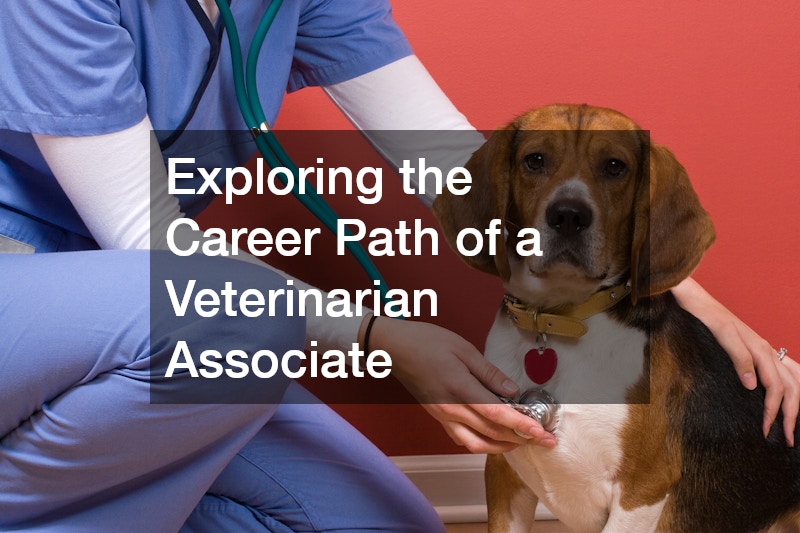
The Ultimate New Pet Parent Blueprint From First Visit to Home Safety

Bringing a new furry family member home is one of the most exciting milestones a household can experience. Whether it is a bouncing puppy, a curious kitten, or a mature rescue animal, the first few weeks are filled with joy, adjustment, and a fair amount of learning. New owners frequently find themselves overwhelmed by the sheer volume of choices they have to make right away. From choosing the right food to setting up a sleeping area, every decision feels monumental. The key to transitioning smoothly into this new lifestyle lies in preparation and building a reliable network of professionals who can provide expert guidance along the way.
Responsibility shifts immediately when a person welcomes these living creatures into their space. Domestic animals rely entirely on human caretakers to interpret their needs, provide safety, and ensure long-term well-being. This requires a proactive approach that extends far beyond buying a few toys and a leash. It involves understanding animal behavior, recognizing health patterns, and creating an environment where the new addition can thrive without unnecessary stress. Navigating the initial onboarding process successfully sets the stage for years of companionship. This blueprint provides an actionable framework to guide new owners through the essential phases of early pet care, helping to build a secure foundation from day one. Understanding the unique needs of a species helps clear up confusion and ensures that every routine adjustment supports physical development and emotional comfort during this critical transition phase. Developing this proactive perspective helps owners read subtle cues, ensuring that minor behavioral shifts or physical changes are addressed long before they become deeply ingrained problems. This level of attentiveness transforms the relationship, fostering a deep bond based on trust and mutual understanding.
Establishing Primary Medical Care
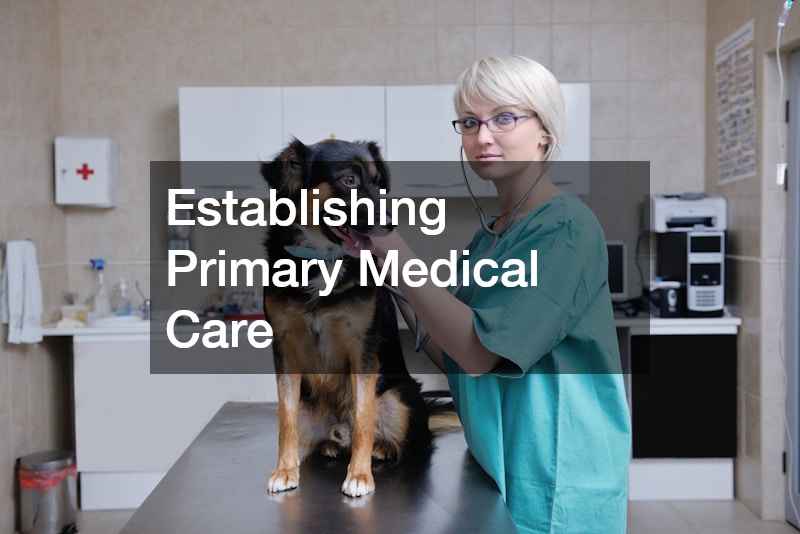
One of the first tasks for any new owner is scheduling an initial wellness exam. This visit should ideally happen within the first week of bringing the pet home. The primary objective is to verify overall health, establish a baseline for future medical records, and screen for any underlying conditions that might not be immediately visible. Building a relationship with a trusted local veterinarian ensures that the pet receives consistent, personalized care throughout its life stages. During this initial visit, the professional will examine the heart, lungs, eyes, and joints, while also discussing crucial topics like core vaccinations, parasite prevention, and appropriate spay or neuter timelines based on the pet’s specific breed and expected growth rate. This initial consultation serves as an open forum where owners can discuss dietary recommendations and establish a customized lifestyle plan.
Choosing the right facility for these regular checkups is equally important. A welcoming vet clinic provides the ideal setting for routine preventative medicine, where staff members can offer guidance on nutrition, dental hygiene, and behavior modification. This early exposure helps the pet become accustomed to being handled by strangers in a clinical environment. Regular visits to the same location foster familiarity, making subsequent appointments far less stressful for both the handler and the pet. Owners should use these early appointments to ask questions about exercise requirements, breed-specific health risks, and optimal scheduling for future checkups. Asking questions about home care and nutritional requirements early on ensures that owners avoid common mistakes that could lead to dietary deficiencies or digestive upset later in life. Developing a proactive partnership with a clinical team creates a strong safety net for the animal’s formative months.
An established history at a primary practice ensures that if an unexpected health concern ever arises during normal hours, the veterinary team already possesses an intimate knowledge of the animal’s baseline vitals and medical history, which can dramatically speed up diagnosis and treatment planning.
Navigating Routine Wellness and Clinical Care
As the weeks progress, the focus transitions from the initial checkup to maintaining a consistent schedule of preventative healthcare. Pets require various follow-up treatments, including booster shots, weight monitoring, and lifestyle-specific medical evaluations. Utilizing a community-based animal clinic allows owners to access essential services like microchipping, spaying or neutering, and routine blood tests efficiently. These facilities specialize in keeping healthy pets on track, ensuring that small issues do not escalate into complex medical challenges over time. A reliable facility will work with owners to establish a customized vaccine calendar tailored directly to the lifestyle and geographical exposure risks of the specific pet.
Consistency in clinical care plays a vital role in early detection. During standard wellness visits, veterinary professionals look for subtle changes in skin condition, dental health, and joint mobility. They also provide tailored recommendations based on the pet’s daily environment and interactions. For instance, pets that spend significant time outdoors or in social settings may require additional protection compared to indoor-only companions. Staying compliant with recommended schedules preserves long-term health and gives owners peace of mind as their pets mature. Regular blood work and routine testing are essential tools that help establish normal health ranges, allowing practitioners to spot minor anomalies before they manifest as noticeable symptoms. By prioritizing these minor wellness benchmarks, owners can significantly extend the lifespan and vitality of their pets while avoiding the heavy costs associated with treating fully developed, chronic conditions.
Regular checkups allow clinicians to observe behavioral changes that might point to cognitive or environmental stress, providing an excellent opportunity to adjust handling techniques before these issues impact the household dynamic.
Preparing for the Unexpected with Urgent Care Networks
Even with the most meticulous preventative care, unexpected health issues can arise. Pets are naturally curious and sometimes ingest foreign objects, suffer sudden injuries, or develop acute illnesses outside of normal business hours. Understanding the difference between general care and advanced trauma treatment is a critical component of responsible ownership. Major animal hospitals are equipped with advanced diagnostic machinery, surgical suites, and specialized intensive care units designed to handle severe medical crises. Knowing where these large facilities are located before an emergency happens saves precious time during a critical situation. These centralized trauma units often possess round-the-clock staffing, advanced imaging technology, and specialized surgical teams capable of addressing complex, multi-system medical emergencies that standard facilities cannot accommodate.
For late-night scares or sudden weekend accidents, having immediate access to 24-hour emergency vets is indispensable. These dedicated professionals specialize in triage, stabilization, and critical care management. New parents should save the contact information and physical addresses of these emergency centers in their phones and post them on the refrigerator for easy access. Being prepared for a crisis involves knowing the fastest driving routes and understanding basic first-aid protocols, ensuring that the household can act decisively when every second counts. It is also wise to inquire about upfront costs and payment options at these facilities in advance so that financial decisions do not delay critical treatment during a high-stress emergency event. Having a well-rehearsed emergency plan alleviates the panic that often paralyzes owners when unexpected illnesses manifest in the middle of the night.
Coat Health and Hygiene Routines

Maintaining external hygiene is just as important as managing internal health. Proper grooming prevents painful matting, reduces skin infections, and allows for the early detection of external parasites or unusual lumps. For many breeds, introducing professional coat care early in life helps build confidence and reduces fear associated with water, clippers, and nail trims. A professional dog groomer possesses the specialized tools and experience necessary to handle various coat types safely, ensuring that the experience remains positive and constructive for the animal. Regular visits help desensitize pets to the sensations of bathing, drying, and handling, which supports overall behavioral compliance and long-term comfort across their lifetime.
However, some pets experience significant anxiety when traveling to a traditional salon or waiting in a kennel surrounded by unfamiliar barking dogs. In these scenarios, utilizing a mobile dog grooming service offers an excellent alternative. This option brings a fully equipped styling van directly to the owner’s driveway, providing a quiet, one-on-one environment that minimizes environmental stressors. Whichever method an owner chooses, establishing a predictable grooming schedule helps keep the coat clean, minimizes shedding around the house, and promotes optimal skin health. Consistency in hygiene routines also provides an excellent opportunity to monitor changes in skin condition, claw health, and ear cleanliness on a regular basis. By turning grooming into a predictable and pleasant habit, owners can prevent common dermatological issues and reduce the amount of loose hair and dander that accumulates within the living space.
Securing the Home and Managing Household Risks
Creating a safe indoor and outdoor environment is a core pillar of the new pet blueprint. Homes are often full of hidden hazards, from toxic houseplants and unsecured electrical cords to small choking hazards left on the floor. Thoroughly proofing each room involves viewing the space from the pet’s perspective and restricting access to dangerous areas using baby gates or secure cabinet locks. Garbage cans should be tightly covered, and human medications must always be stored completely out of reach. Kitchens and bathrooms require special attention, as cleaning agents and everyday household chemicals pose immediate poisoning risks if left accessible.
The outdoor environment requires similar diligence, particularly regarding property maintenance and common pests. Implementing a comprehensive plan for pest management is vital for protecting both the property and its inhabitants from disease-carrying insects like fleas, ticks, and mosquitoes. Owners must ensure that any treatments applied to the lawn or interior spaces are completely pet-safe and applied by knowledgeable professionals. Eliminating these environmental threats minimizes the risk of parasite transmission, helping to maintain a clean, healthy living space where pets can play safely. Proper drainage and regular yard maintenance also play key roles in discouraging pests from nesting near the home, adding an extra layer of defense for the entire household. Homeowners should also regularly check fencing for small gaps or loose boards that a curious pet could exploit to escape into the surrounding neighborhood.
Beyond basic infrastructure adjustments, creating a calm, quiet retreat area within the home can help a new pet feel secure during chaotic moments, such as family gatherings or stormy weather, reducing the risk of anxiety-driven, destructive behaviors.
Travel Logistics and Socialization
As pets become fully vaccinated and integrated into the family, owners must consider long-term logistics for travel and socialization. There will inevitably be times when work commitments, family vacations, or unexpected trips prevent owners from taking their pets along. Introducing pets to a professional pet boarding facility early in life helps prevent separation anxiety and teaches them to adapt to new environments. High-quality lodging centers offer structured routines, regular exercise, and professional supervision, ensuring that pets remain safe, engaged, and well-cared for while their handlers are away. This early socialization helps them build confidence around new people and unfamiliar surroundings.
Before scheduling a stay, owners should visit the facility to evaluate cleanliness, security measures, and staff interactions. A reputable boarding provider will always require up-to-date vaccination records to ensure a healthy environment for all guests. Gradually introducing shorter stays, such as a single overnight visit, allows the pet to build trust and realize that their owner will always return. This careful preparation turns potential travel stress into a positive, routine experience for the entire family. Knowing that a pet is comfortable in a secure, professionally managed environment allows owners to travel with absolute peace of mind, confident that daily routines and dietary needs are being strictly maintained. These positive boarding experiences foster independence and resilience, making future stays entirely stress-free.
Building a complete care network takes time, but the effort rewards owners with years of unconditional love and companionship. By systematically addressing medical care, external hygiene, household safety, and long-term travel arrangements, new pet parents can confidently navigate the challenges of ownership. Every proactive measure taken today prevents complications tomorrow, ensuring a smooth transition for the newest member of the household. With the right team of professionals in place, the journey of pet parenthood becomes a deeply fulfilling and orderly adventure. Ultimately, investing time and resources into establishing these connections early pays massive dividends in the pet’s long-term happiness, vitality, and integration into the family dynamic. By following a structured approach and remaining attentive to the evolving needs of the animal, households can enjoy a harmonious, joyful, and safe life together.