How to Keep Your Home Clean and Safe for Dogs
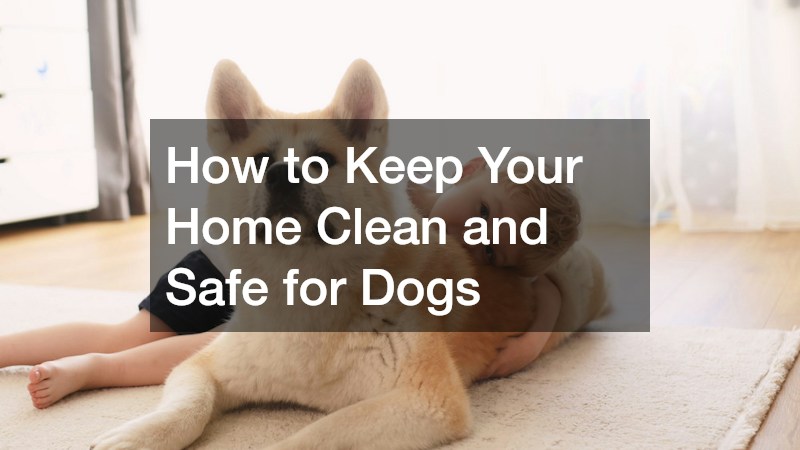
The physical environment of a modern home represents a sanctuary for humans, but for a domestic dog, it is an entire universe waiting to be explored every single day. Dogs experience their immediate surroundings with a physical intensity that humans can scarcely comprehend. Their sense of smell is famously powerful, allowing them to detect microscopic particles left behind on carpets, furniture fabric, and wooden baseboards long after a room has been tidied. Because canines spend their entire lives close to the floor, they are continuously exposed to whatever chemical substances or particulate matter settle on those flat surfaces. They rest their chins directly on the rugs, chase toys across kitchen tiles, roll on living room mats, and lick dropped food crumbs off the floor.
This constant, direct physical contact makes them uniquely vulnerable to the invisible residues left behind by everyday household cleaning routines. Traditional cleaning products often rely on highly aggressive chemical formulas designed to strip away grease, deep grime, and stubborn bacteria with minimal scrubbing effort. While these industrial-strength mixtures achieve a visually spotless result, the lingering chemical film they leave behind can pose a silent, ongoing threat to a pet’s health. When a dog walks across a freshly washed floor that is still slightly damp, chemical irritants can easily transfer onto its sensitive paw pads. During routine self-grooming sessions later in the afternoon, the dog will lick its paws, inadvertently ingesting those toxic compounds directly into its digestive system. Finding a truly safe balance is vital for any responsible pet parent. Choosing an effective, non-toxic cleaner allows homeowners to keep their living spaces pristine without introducing dangerous hazards into their dog’s daily environment. This conscious choice protects their biological systems from unnecessary long-term strain.
Unmasking the Threats in Conventional Treatments
Beyond the routine management of dust and tracking mud, homeowners frequently face the difficult challenge of handling seasonal household invaders. Ants creeping across kitchen counters, spiders nesting in dark basement corners, and fleas hiding deep within carpet fibers can quickly disrupt the peace of any household. The immediate instinct for many people is to solve the insect problem as quickly as possible by purchasing high-strength extermination sprays or chemical baits from a local store. However, these quick-fix products typically rely on potent synthetic chemicals specifically engineered to attack and disrupt the nervous systems of small insects. What is lethal to a bug can easily cause severe neurological distress, respiratory trouble, or physical illness in a curious dog.
Canines are naturally drawn to new scents and unusual textures in their environment, meaning a newly placed insect trap or a freshly sprayed baseboard will inevitably attract their immediate attention. Liquid baits can smell surprisingly sweet to an inquisitive puppy, and granular formulas can easily look like stray pieces of dry kibble spilled on the floor. To protect these vulnerable animals from harm, families must adopt a much more strategic, careful approach to household pest management. Implementing a strict, targeted protocol for pest control ensures that unwanted insects are eradicated safely without turning the living room into a hazardous zone for the family pet. This involves using enclosed, tamper-resistant bait stations hidden completely out of reach behind heavy furniture, or opting for mechanical traps that do not rely on airborne chemicals. Taking these extra structural precautions keeps the home environment secure and entirely free of hidden industrial poisons.
Smart Substitution and Label Literacy

Transitioning toward a genuinely pet-safe household requires a permanent commitment to reading product labels with a critical, well-informed eye. Many commercial products feature clever marketing terms like “natural,” “organic,” or “eco-friendly” on their packaging, but these descriptions are often unregulated and can be deeply misleading to consumers. For example, popular green cleaning ingredients like tea tree oil, pine oil, and various citrus extracts are highly toxic to dogs if touched, tasted, or inhaled in concentrated amounts. Safer, time-tested alternatives like distilled white vinegar, plain baking soda, and diluted hydrogen peroxide can clean household surfaces and neutralize tough odors just as effectively without leaving harmful chemical residues behind.
When specialized commercial products are absolutely necessary for tough jobs, seeking out items with verified pet-safe certifications can prevent unexpected medical emergencies. It is always a wise strategy to seek professional input regarding how specific household chemicals might interact with your dog’s unique biological makeup and breed vulnerabilities. Consulting an affordable veterinarian can provide practical, budget-conscious guidance on how to manage household sanitation safely without breaking the bank. These veterinary professionals can offer specific product recommendations tailored to your dog’s breed, age, and medical history, helping you avoid ingredients that could trigger chronic skin issues, eye irritation, or severe respiratory discomfort over time. This collaborative approach builds a strong foundation for a healthy home life.
Managing Severe Home Upgrades and Inspections
There are certain domestic scenarios where simple, home-brewed cleaning solutions and careful product selection are simply not enough to solve the problem. Severe termite infestations, deep structural mold remediation, or the complete sanding and refinishing of old hardwood floors demand heavy-duty professional intervention. The industrial-grade chemicals, intense fumes, and loud, disruptive equipment used during these large-scale home operations can create a highly stressful and dangerous environment for a family dog. Even if an animal is confined to a back bedroom with the window open, airborne chemical particles can migrate through the central heating and cooling vents, causing immediate respiratory distress or skin irritation.
Additionally, the constant noise from industrial vacuums and sanders can trigger severe anxiety and panic in sensitive dogs. To ensure absolute safety during these major home improvements, the best strategy is to remove the dog from the property entirely until the work is finished and the air is completely clear. Booking a short stay at a trusted local dog daycare provides an excellent alternative, offering a safe, supervised environment where the dog can play and rest peacefully. This gives the homeowners complete freedom to manage the service technicians without worrying about an anxious dog slipping out an open door or accidentally encountering fresh chemical applications on the floor. It completely separates the animal from the chaotic and hazardous phases of a deep domestic overhaul.
Proactive Health Screenings and Environmental Awareness
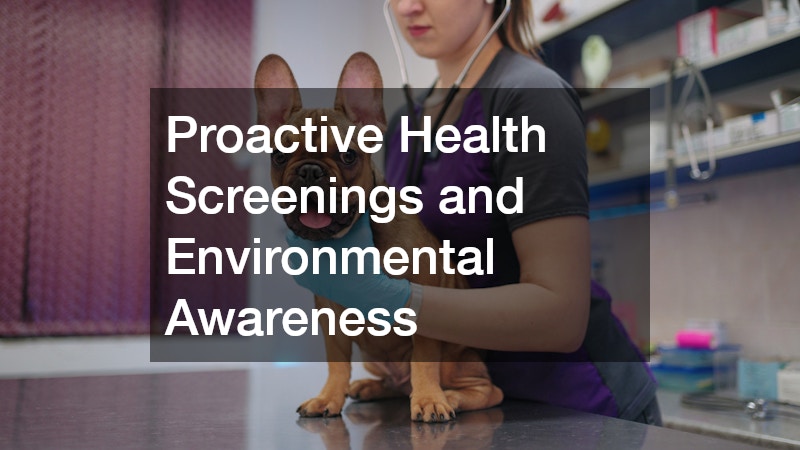
Even when a family is incredibly careful about their daily routines, dogs have a knack for finding old chemical residues or hidden hazards in forgotten corners of the house. This reality makes regular health monitoring a vital part of a comprehensive pet safety plan. A dog’s external physical condition often serves as an early warning system for environmental toxins or chemical irritants. For instance, if a dog suddenly develops raw, red patches between its toes or starts scratching its belly relentlessly after the carpets are shampooed, it may be experiencing a localized allergic reaction to a chemical ingredient in the carpet soap.
Regular physical assessments at home help catch these subtle issues before they progress into systemic problems or painful skin infections. Setting up a routine checkup with a local veterinarian ensures that any early signs of chemical sensitivity or environmental irritation are identified and treated promptly. These appointments offer an ideal opportunity to review your current household maintenance products with a medical professional and adjust your care routine as needed to protect your dog’s long-term health and comfort. Regular clinical evaluations create a robust safety net, verifying that your home defense choices are working effectively to protect your pet’s physical well-being.
Building a Reliable Neighborhood Support Network
An essential part of building a secure, health-conscious home environment is establishing a reliable network of medical support right in your immediate neighborhood. Pet parents, especially those raising a young puppy for the first time, often find themselves second-guessing whether a minor physical symptom requires immediate medical attention. A sudden bout of sneezing after a living room is dusted or a mild bout of lethargy after floors are scrubbed can leave an owner feeling anxious and uncertain. Having an accessible, welcoming facility nearby can make all the difference in these moments of doubt.
Building an ongoing relationship with a neighborhood vet clinic gives families a trusted place to turn for quick answers and non-emergency medical evaluations. These local practices are perfect for handling routine issues like skin scrapes, allergy assessments, and basic wellness guidance, ensuring that minor household mishaps are addressed before they can turn into serious health complications. Having this local support network nearby provides immense peace of mind to the entire family, as it removes the guesswork from everyday health management. It allows owners to act decisively whenever their dog shows signs of discomfort.
Recognizing the Signs of Accidental Poisoning
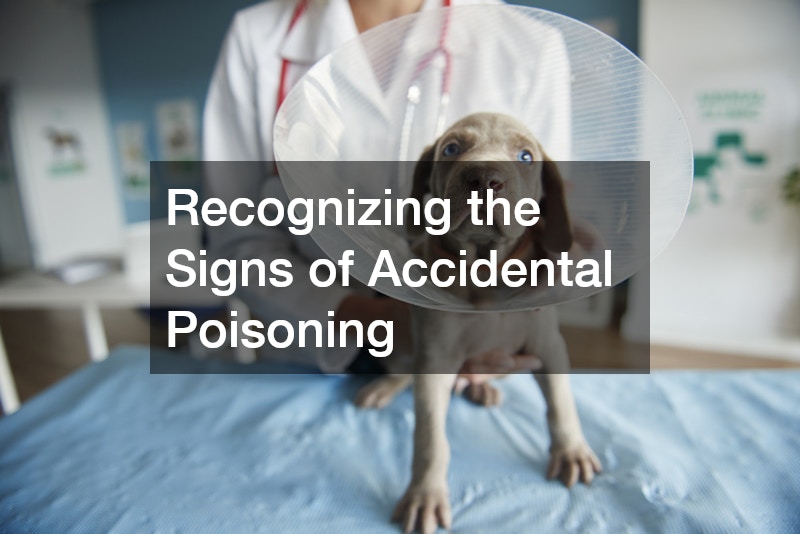
Despite every precaution and safety latch, unexpected accidents can happen in a split second. A cabinet door left slightly ajar, a bottle of concentrated floor cleaner falling off a laundry room shelf, or a curious dog digging up an old insect bait can lead to sudden, dangerous chemical exposure. When a dog bites into a hazardous substance or gets a toxic chemical on its coat, knowing how to spot the signs of poisoning immediately is absolutely vital. Symptoms can vary wildly depending on the specific toxin involved, but common red flags include sudden, heavy drooling, extreme lethargy, loss of balance, acute vomiting, pale gums, or muscle tremors.
If you suspect your pet has come into contact with a dangerous household chemical, waiting to see if they get better on their own is a dangerous mistake. Transporting the animal to a dedicated animal urgent care center immediately ensures that a specialized medical team can step in to stabilize the pet. These urgent care facilities are fully equipped to manage acute poisoning cases, offering rapid toxicity neutralization, intravenous fluids, and continuous monitoring to protect the dog’s internal organs from permanent damage. Acting with speed and focus significantly improves the chances of a smooth, complete recovery.
Preparing for After-Hours Medical Crises
Domestic crises rarely happen at convenient times during the normal workday. A dog might chew through a tube of toxic adhesive late at night or lick a freshly treated deck surface over the weekend when regular medical offices are closed. In these high-stress situations, having a clear, actionable emergency plan already in place can prevent panic and save precious time. Every pet parent should have the address and phone number of a 24-hour medical facility prominently displayed on the refrigerator or saved in their phone contacts for instant access.
Rushing your pet to an experienced emergency vet ensures that your dog receives immediate, life-saving care during the middle of the night or over a holiday weekend. These round-the-clock facilities are staffed by crisis specialists who know exactly how to handle advanced toxic ingestion and severe physical trauma, giving your pet the best possible chance at a full recovery. They provide the immediate, intensive medical support that standard daytime offices simply cannot offer after hours. Knowing exactly where to drive in the dark eliminates critical delays when every single minute matters for your dog’s survival.
The Value of Specialized and Dedicated Care Facilities
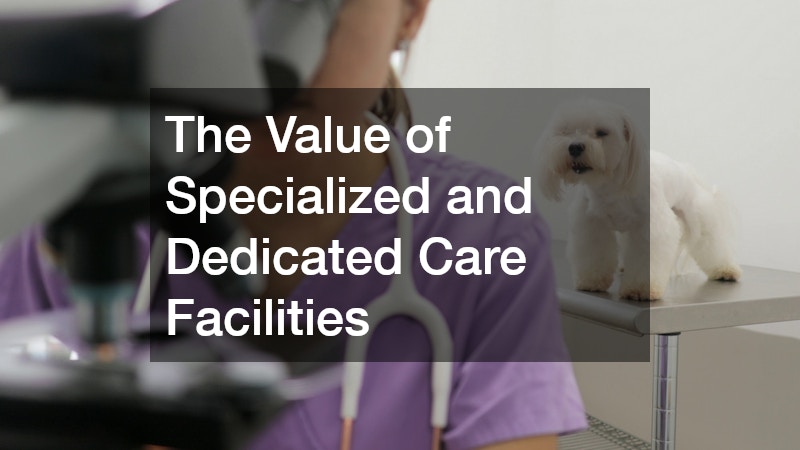
The field of veterinary medicine has advanced tremendously over the last few decades, offering a level of sophisticated care that closely mirrors human healthcare. Modern facilities now feature advanced diagnostic imaging, specialized intensive care units, and cutting-edge surgical suites designed to handle the most complex medical crises. When a dog is recovering from severe chemical poisoning or dealing with a complicated chronic health issue, standard medical support might not be enough to ensure a full recovery.
Navigating these intense medical journeys requires access to highly advanced therapeutic options. Choosing a comprehensive veterinarian service that includes specialized internal medicine and advanced toxicology can significantly improve a pet’s long-term prognosis. Securing treatment at the region’s best pet hospital guarantees that your dog will be cared for by board-certified specialists who have the advanced equipment and precise expertise needed to manage critical recovery pathways and restore your pet to full health. These premier institutions represent the gold standard of care for complex cases, offering advanced therapeutic solutions that can help animals overcome severe toxic insults to their bodies.
Cultivating a Lifelong Sanctuary of Safety
Creating a truly pet-safe living environment is a continuous process that requires daily mindfulness, ongoing education, and proactive planning. A beautiful, clean home does not have to come at the expense of your dog’s physical well-being. By swapping out harsh chemical solutions for safe, natural alternatives, planning major home maintenance projects around your dog’s specific needs, and building a strong relationship with local medical professionals, you can eliminate hidden domestic hazards entirely.
This thoughtful approach ensures that your home remains a peaceful, healthy sanctuary where your entire family, including your faithful four-legged companion, can thrive safely for years to come. Ultimately, the time invested in researching safe products and establishing a network of trusted veterinary professionals is a small price to pay for the long-term safety, health, and happiness of your beloved dog. By making informed choices, you guarantee that your home remains a place of comfort, joy, and absolute protection for your loyal companion throughout their entire life.